

















Modern office design has shifted significantly in recent years. The traditional model of isolated cubicles and rigid meeting rooms is rapidly evolving into dynamic, flexible environments that prioritize teamwork and adaptability.
As businesses grow and change, the physical workspace must support these transitions. Creating areas that foster spontaneous discussion, brainstorming sessions, and relaxed interactions is essential for driving innovation and maintaining employee satisfaction. Let’s explore BBF’s furniture essentials for flexible office collaboration areas, designed to inspire your teams and productivity.
Modular Seating Arrangements That Adapt to Needs
Modular seating is the foundation of any flexible collaboration area. These pieces allow you to reconfigure a space instantly to accommodate different group sizes or activities. Unlike fixed sofas or chairs, modular units often consist of separate components—ottomans, corner pieces, and backless benches—that users can rearrange at will.
This adaptability supports various working styles. A team might push several units together for a large group discussion in the morning and separate them for individual focused work or smaller breakouts in the afternoon. Investing in high-quality modular seating ensures longevity and provides the necessary comfort for extended collaborative sessions.
Mobile Tables for Dynamic Workflows
Mobility is a core characteristic of flexible spaces. Tables on casters or wheels empower employees to customize their environment instantly. When a project requires close cooperation, team members can roll tables together to create a large surface area. Conversely, they can separate the tables for solo tasks or smaller group discussions.
These tables often come with locking mechanisms to ensure stability when in use. They serve as excellent alternatives to heavy, static desks that dictate how a room functions. By incorporating mobile tables, you signal to your team that the workspace is theirs to mold, encouraging ownership and creative use of the office layout.
Acoustic Privacy Pods for Focused Discussions
While openness encourages collaboration, acoustic privacy remains necessary. Sometimes, sensitive conversations or high-focus tasks require seclusion from the general office buzz. Acoustic privacy pods offer a solution without the need for building permanent walls.
These freestanding units range from phone booth-sized pods for individuals to larger cabins that fit small groups. They provide sound insulation, reducing noise distractions for the occupants and the people working nearby. Placing these pods strategically around collaboration zones gives employees the option to step away for a private call or a quiet brainstorming session without leaving the main activity hub.

Height-Adjustable Surfaces To Promote Movement
Ergonomics plays a significant role in productivity and health. Height-adjusting tables allow users to switch between sitting and standing, which promotes better posture and increased energy levels. In a collaboration zone, these tables facilitate quick stand-up meetings, which often tend to be more efficient and dynamic than traditional sit-down gatherings.
Providing variety in surface heights accommodates different preferences and tasks. Some employees may prefer standing while sketching out ideas, while others might sit for a detailed review. Adjustable furniture supports these diverse needs seamlessly.
Soft Seating for Informal Gatherings
Creating a relaxed atmosphere often leads to the most creative ideas. Soft seating, such as lounge chairs, bean bags, or plush sofas, invites informal interaction. These comfortable options mimic a living room setting, which can lower stress levels and make employees feel more at ease sharing their thoughts.
Informal gathering spots act as social magnets within the office. They encourage spontaneous conversations that might not occur in a formal conference room. By integrating soft seating, you bridge the gap between relaxation and productivity, acknowledging that effective work does not always happen at a desk.
Whiteboards and Writing Surfaces for Visual Thinking
Visual aids are indispensable for collaborative work. Mobile whiteboards, glass writing walls, or even tabletop writing surfaces allow teams to map out strategies, list ideas, and visualize complex problems.
Unlike fixed boards mounted on a wall, mobile writing surfaces move with the team. If a discussion migrates from one corner of the office to another, the notes can follow. This continuity ensures that ideas remain central to the conversation. Writing surfaces also serve as temporary partitions, defining a collaboration space within a larger open area.
Storage Solutions That Double as Dividers
Clutter can hinder productivity, so effective storage is vital. However, in a flexible space, storage units can serve a dual purpose. Low bookshelves, rolling cabinets, or modular lockers are great room dividers, subtly defining different zones without blocking light or sightlines.
These multi-functional pieces keep necessary tools and resources close at hand while organizing the space. Mobile storage pedestals with cushioned tops can even provide extra seating in a pinch. Thinking of storage as an architectural element rather than just a utility adds another layer of flexibility to your collaboration areas.
Collaborative Workstations for Team Projects
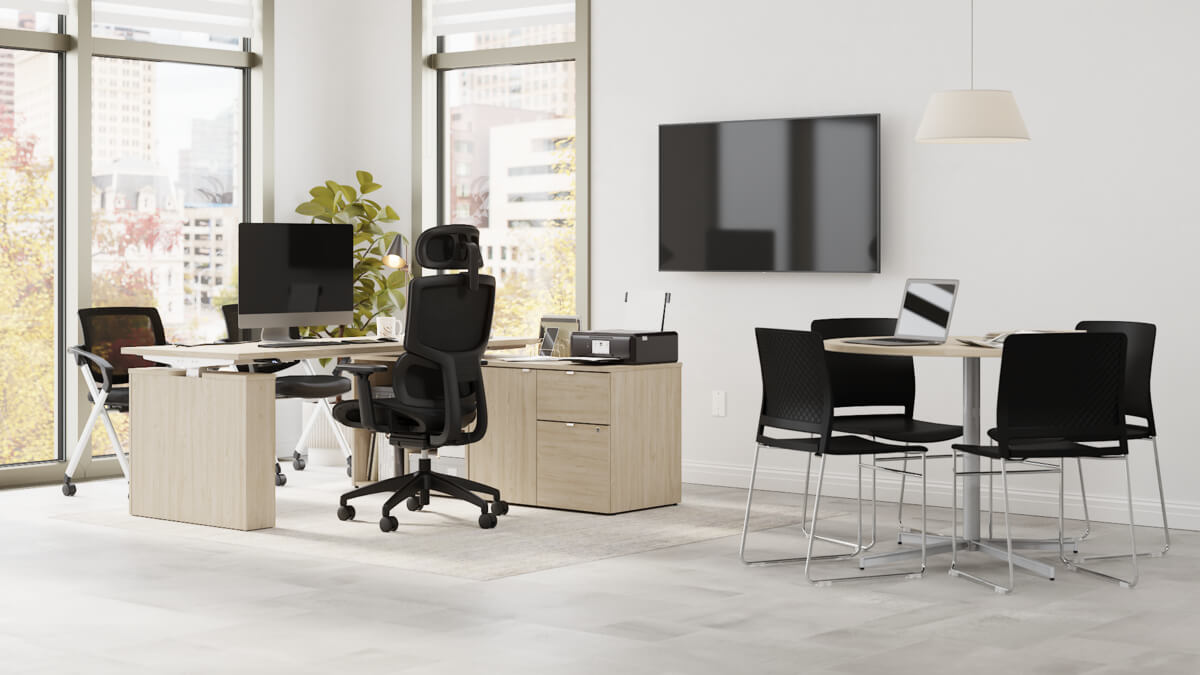
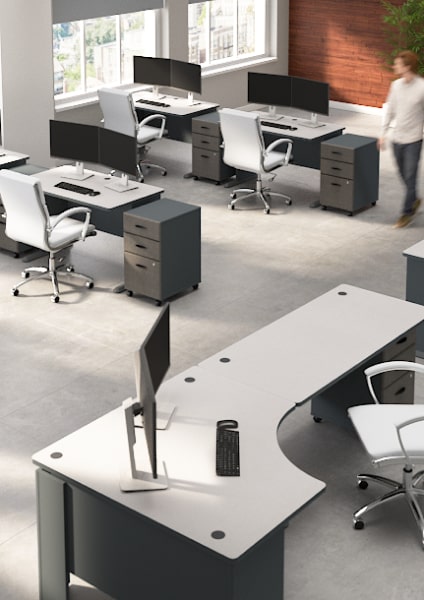
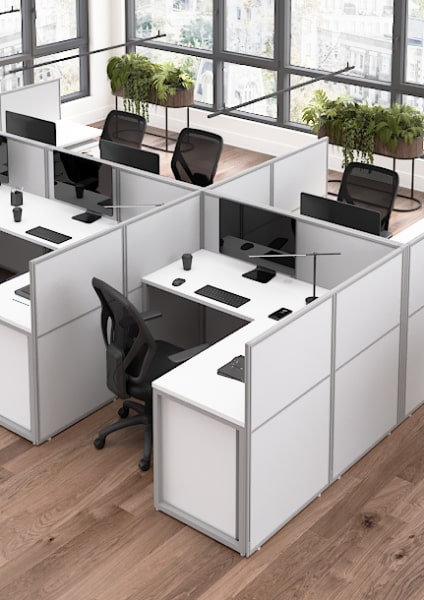
While casual seating works for brainstorming, some tasks require a more structured setup. Collaborative workstations provide a middle ground between individual desks and formal meeting tables. These often feature shared surfaces with minimal dividers, encouraging communication while providing ample space for laptops and documents.
These stations often include integrated technology management and shared lighting. They support side-by-side work, which is excellent for training, pair programming, or reviewing large documents together. While casual zones are great, having dedicated collaborative workstations ensures that teams have a place for intensive, focused group work.
Meeting Tables That Scale for Growth
Even in a flexible environment, a central gathering point remains valuable. However, rather than heavy, immovable slabs, modern spaces benefit from lighter, scalable options. While you might still use standard commercial conference tables in formal boardrooms, collaboration areas benefit from modular tables that users can join together or separate.
Scalability ensures the furniture grows with your team. As project groups expand or contract, the furniture configuration adapts. This forward-thinking approach prevents the need to replace expensive furniture every time organizational needs change.

Design a Future-Ready Workspace
Investing in the right furniture for flexible collaboration areas positions your organization for future success. It demonstrates a commitment to employee well-being and an understanding of modern work dynamics. By choosing pieces that offer mobility, adaptability, and comfort, you create an environment where innovation thrives.
- Remember that the goal is to support your team’s best work.
- Assess how your team currently uses space and identify pain points.
- Prioritize furniture that serves multiple functions.
- Choose durable, high-quality materials that will withstand frequent reconfiguration.
A well-designed collaboration area is a great tool for growth when you use the right furniture essentials. It empowers your workforce to connect, create, and succeed together. As your business evolves, your flexible workspace will be ready to adapt, ensuring you always put every square foot to its best use.
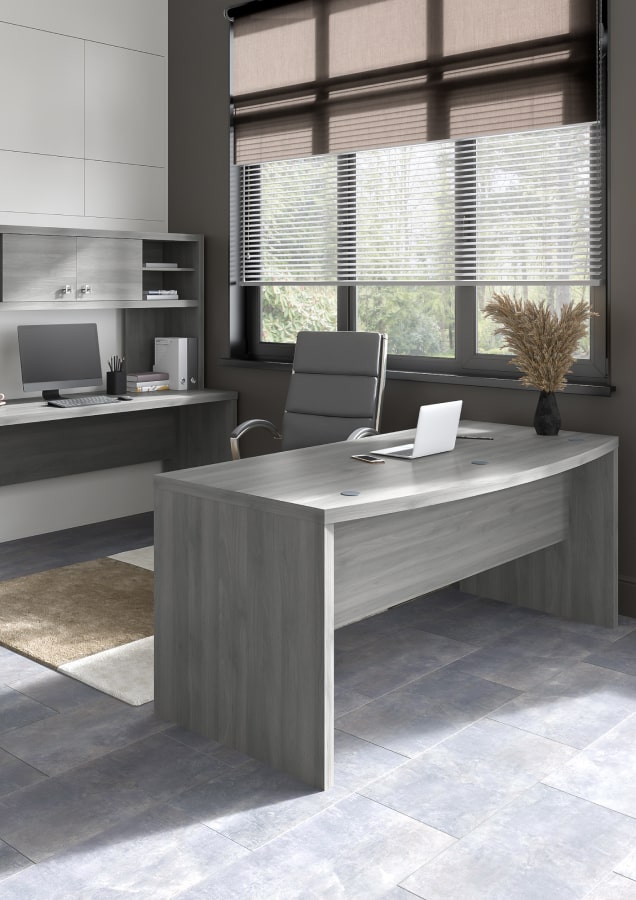
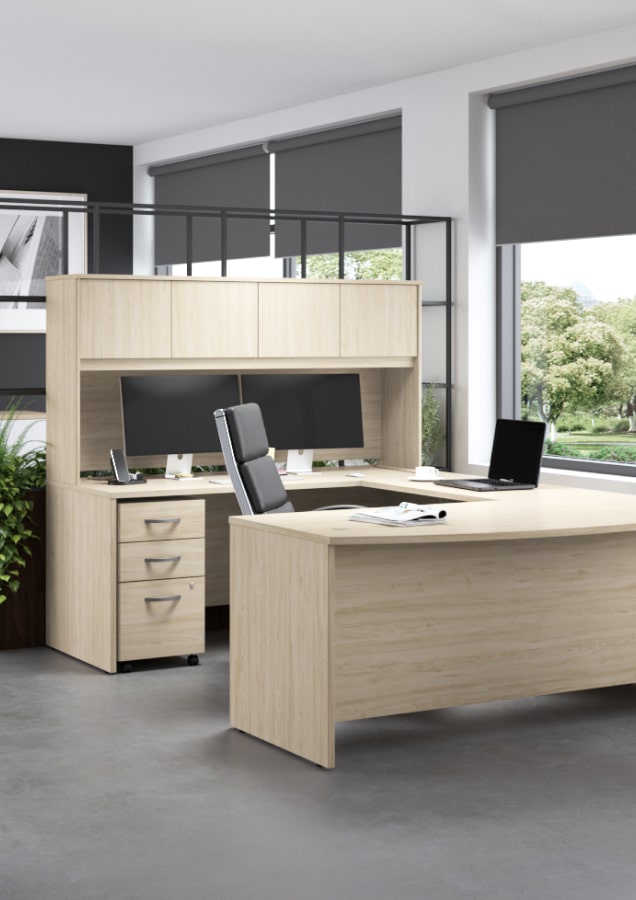
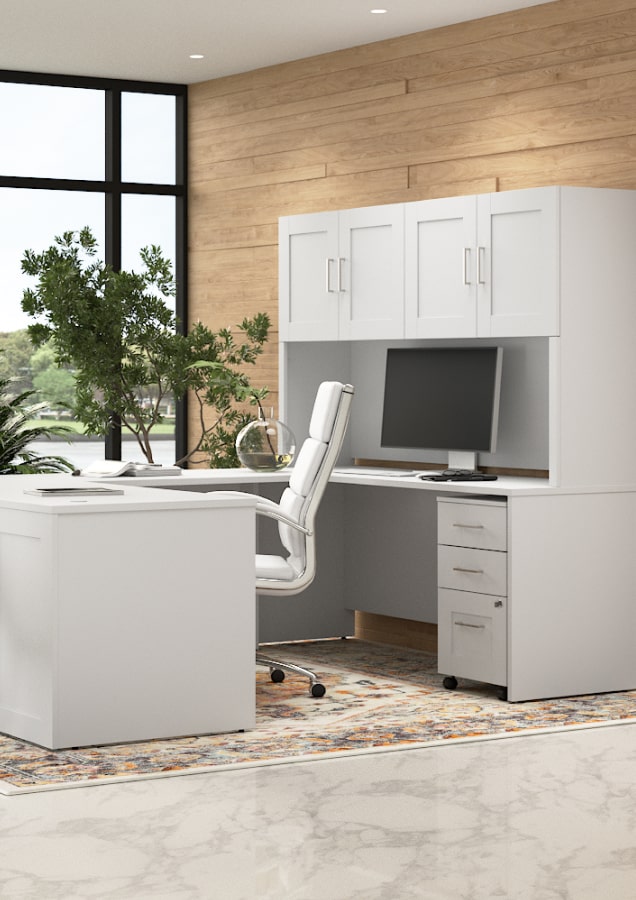
BBF carries a wide selection of collaborative furniture pieces, from rolling conference tables to static round tables. Get the perfect fit for your space and team.


Leave a comment
This site is protected by hCaptcha and the hCaptcha Privacy Policy and Terms of Service apply.