

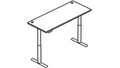

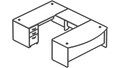



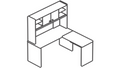




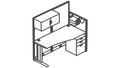







When you step into a conference room, the furniture arrangement immediately signals how people should behave. The physical environment is a silent manager, directing traffic, influencing hierarchy, and dictating the flow of conversation. While leaders often focus heavily on meeting agendas and attendee lists, they frequently overlook the physical object around which the team gathers.
The table itself plays a pivotal role in meeting success. Bush Business Furniture is discussing how table shape affects collaboration in meetings, including how to choose the right one for your operation.
Rectangular Tables Establish Clear Leadership Hierarchy
Rectangular tables remain the most common choice for boardrooms and formal meeting spaces. This shape naturally creates a position of power at the head of the table. When a leader sits at the narrow end, they command the attention of the entire room. This arrangement works exceptionally well for decision-making meetings where a clear chain of command exists. The leader can direct the conversation, and attendees naturally look to the head for guidance.
However, this traditional setup can sometimes hinder open brainstorming. People sitting in the middle of the long sides often engage only with those directly across from them. People at the far end may feel disengaged or excluded from the primary conversation. If your goal involves enforcing authority or delivering top-down information, the rectangle serves you well. If you desire equal contribution from all members, you might find this shape a little too restrictive. We recommend reserving large rectangular tables for formal board meetings or client presentations where establishing authority matters most.
Round Tables Foster Equality and Open Dialogue
The legend of King Arthur and the Knights of the Round Table persists for a reason. The circle represents equality. Without a head of the table, no single person commands more visual authority than another. Everyone sits the same distance apart, and eye contact remains easy for the entire group. This setup removes the psychological barriers of hierarchy and encourages participants to speak up.
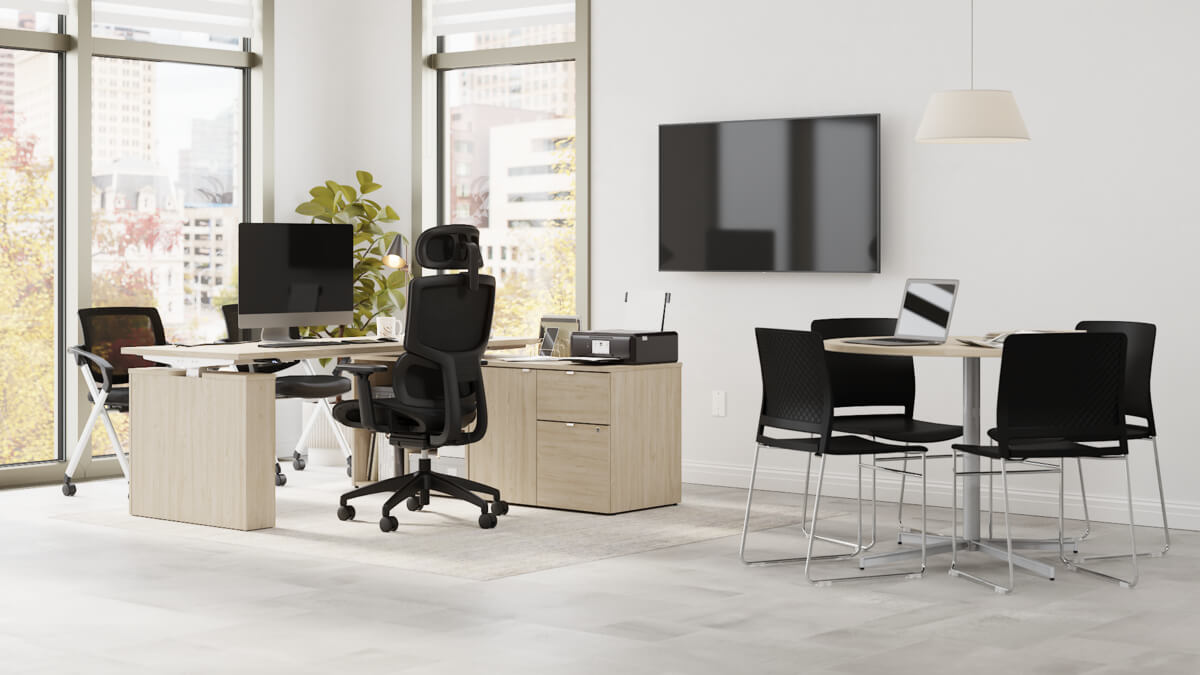
Round tables excel in creative environments. When you want to encourage brainstorming, problem-solving, or open communication, a circular surface works best. It signals to the team that every idea holds value, regardless of job title. The lack of sharp corners creates a softer, more inviting atmosphere. Collaboration thrives here because the physical structure of the meeting demands that everyone acknowledge everyone else. If your organization values a flat hierarchy or needs to break down silos between departments, a round table is a powerful tool.

U-Shaped Configurations Improve Focus During Presentations
Training sessions and workshops require a specific type of focus. The U-shape, or horseshoe configuration, opens one end of the table arrangement. This allows a presenter or facilitator to stand in the open space and engage with every participant without turning their back on anyone. It combines the visibility of a round table with the directional focus of a classroom.
This layout supports learning and interaction simultaneously. Participants can see the speaker clearly, but they can also see each other across the gap. This enables peer-to-peer discussion while maintaining the presenter’s ability to control the room. We often see this shape in video conferencing setups as well, as the open end provides a perfect position for a camera and screen. Everyone remains visible to the remote lens without blocking someone else’s view.
Square Tables Encourage Intimacy Among Small Groups
Square tables function similarly to round ones but typically serve smaller groups. A square surface works perfectly for teams of four. It provides equity in seating and creates a compact, focused energy. Because everyone sits relatively close together, the square table promotes intimacy and rapid communication. There is no place to hide, which keeps attention levels high.
Short, tactical meetings benefit from this shape. If managers need to conduct performance reviews or small project teams need to finalize a sprint, the square table keeps the conversation tight and efficient. You can also combine multiple square tables to form larger rectangles, giving you some modular flexibility. However, as a standalone piece, the square table signals that we are here to work closely and move quickly.
Modular Tables Offer Necessary Flexibility for Dynamic Teams
The modern office requires adaptability. Rigid furniture often fails to meet the diverse needs of agile teams. Modular tables consist of separate pieces that users can push together or pull apart to create various shapes. You can form a large hollow square for a team discussion, break them into classroom rows for training, or separate them into individual pods for focused work.
This flexibility supports future growth. As your team size fluctuates or your working style changes, modular furniture changes with you. You don’t need to buy new furniture for every new initiative. You simply rearrange what you have. We design our office collections with this expansion in mind, ensuring that your investment today continues to provide value years down the road.

Surface Materials Contribute to Professional Longevity
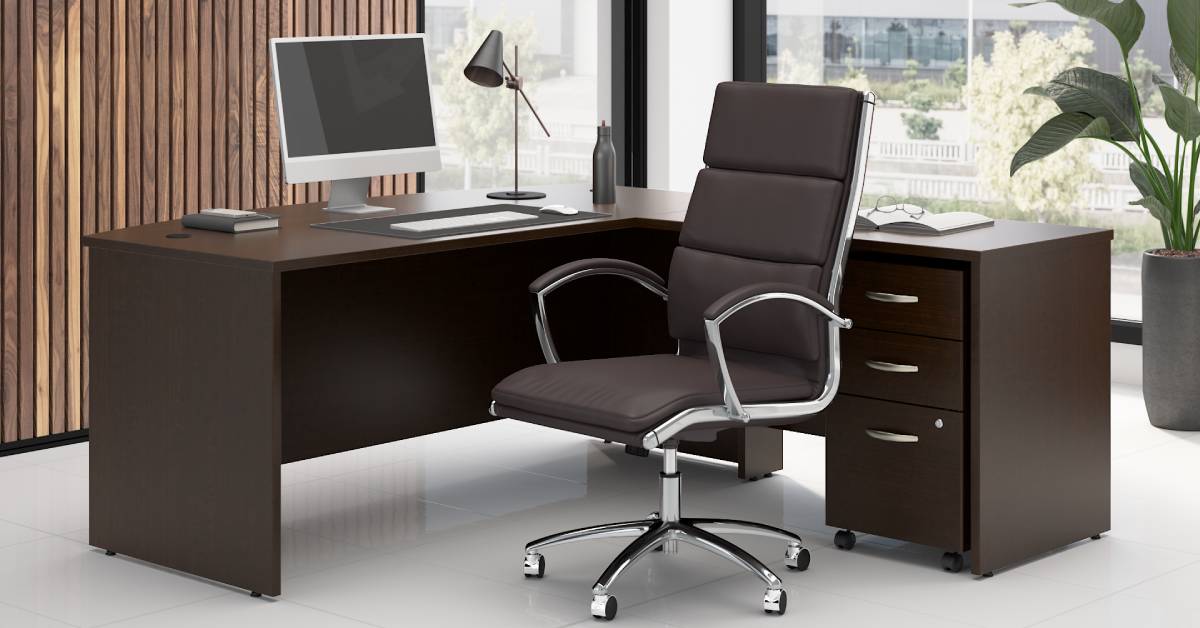
The shape matters, but the material also dictates the table’s lifespan and the room’s aesthetic tone. High-traffic meeting areas endure spills, scratches, and constant use. You need materials that resist wear while maintaining a polished appearance. We construct our BBF desks and conference tables using thermally fused laminate, a material that creates a durable seal against everyday damage.
Choosing quality materials sends a message of professionalism. A scratched, wobbly table undermines the seriousness of the discussion. A sturdy, pristine surface instills confidence. Hosting a collaborative meeting at one of our office meeting tables presents the perfect opportunity to showcase your professionalism and care. Our scratch and stain-resistant tabletops ensure a clean, adaptable working surface for all types of discussions.
Select the Right Shape Supports Long-Term Business Growth
Your office furniture represents a long-term relationship. It supports your team through product launches, crisis management, and celebrations. By intentionally selecting table shapes that align with your collaboration and meeting goals, you remove friction from your daily operations. You create an environment where ideas flow, leaders lead effectively, and teams bond.
We encourage you to assess your current meeting behaviors. Do they match your aspirations? If not, a change in furniture might provide the shift in dynamic you need. From reception areas that set the tone to conference rooms that drive innovation, your environment should work as hard as you do. Shop with BBF for a collection of high-quality office furniture designed to inspire your team.
Leave a comment
This site is protected by hCaptcha and the hCaptcha Privacy Policy and Terms of Service apply.